
Objective assessment and tracking services provide allied health professionals with measurable insights into a client’s physical capabilities, strengths and areas requiring attention. Establishing clear baselines and tracking changes over time allows practitioners to make more informed decisions and objectively demonstrate progress throughout rehabilitation.
Physical assessments can provide valuable data on strength, power, mobility, balance, conditioning and other key performance measures. Ongoing tracking allows practitioners to monitor changes, evaluate the effectiveness of interventions and tailor rehabilitation or exercise programs based on objective results.
Whether used during an initial assessment, throughout rehabilitation or as part of a return-to-play pathway, objective physical data provides a consistent and measurable framework to support injury prevention, rehabilitation, clinical decision-making and a safe return to sport and activity.
Objective physical data helps identify risk factors early, supporting proactive intervention and strategies designed to reduce injury risk.
Measurable data provides clear evidence of physical changes, allowing practitioners to monitor progress and evaluate rehabilitation outcomes over time.
Individual assessment results help practitioners design targeted rehabilitation programs that address specific limitations, goals and changing physical requirements.
Objective measures provide evidence to support progression through rehabilitation and help practitioners make informed decisions around readiness to safely return.
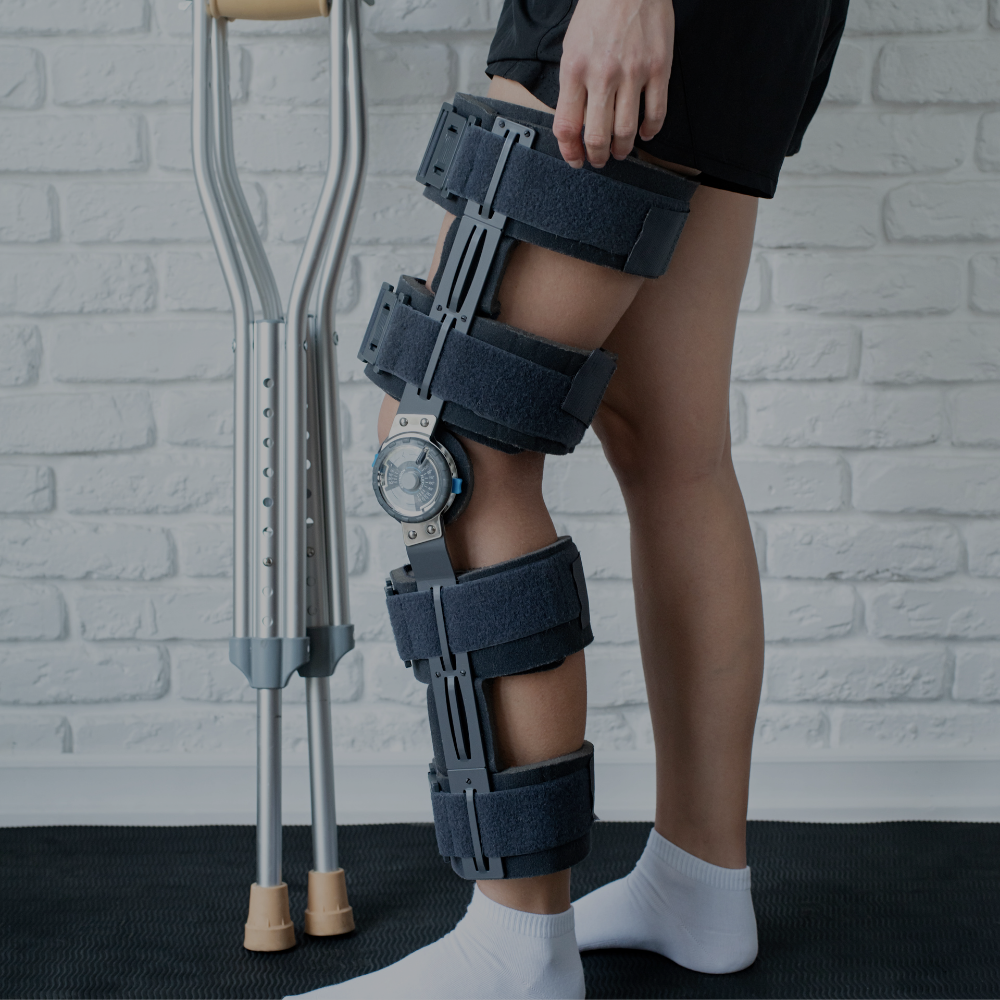
An Allied Health clinic had a client who had unfortunately completely ruptured their ACL during a local soccer game. The individual underwent surgery and began the long road of rehabilitation.
Throughout their numerous appointments together, the clinician utilised objective strength, power, and functional movement assessment services, to track the individuals movements and compensations, and to compare the injured leg to the uninjured leg, allowing tailored training and rehabilitation exercises.
With the overlay of objective data to support progress, and regress at times, the client was able to complete their rehab and safely return to the pitch within 12 months.
*All prices are listed as a starting price and may vary depending on the actual number of individuals, testing protocols included, and timeframe requirements. Final pricing will be confirmed based on your specific needs.